Preparing for installation day: a practical checklist
What to sort out before new carpet or flooring goes in: furniture, doors, the old floor, the sub-floor, and what to expect on the day.
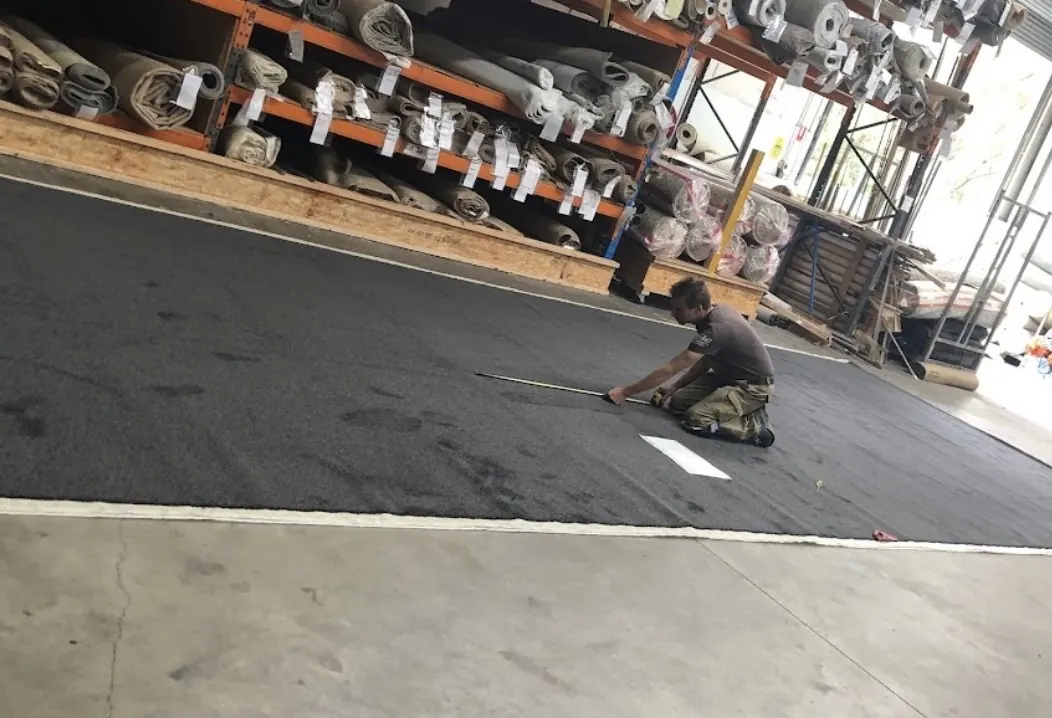
Preparing for installation day means the rooms need to be clear, the old floor dealt with, and the sub-floor in good condition. Most of the work for you is moving furniture and fragile items, sorting out pets and parking, and checking what your quote covers for old flooring, doors and floor preparation. A day or two of planning makes the installation quicker and avoids surprises.
If you'd rather not shift it all yourself, we can move the furniture for you, lay the floors in stages, and move everything back once each room is finished. Mention it when we measure and we'll include it in your quote.
One to two weeks before
Check what your quote includes. Go through it for furniture moving, removal of the old floor, disposal, floor preparation, door trimming and trims. If something is not listed, ask now. Our guide to what goes into a flooring quote has the full list.
Book a plumber or electrician if needed. In bathrooms and laundries, the toilet may need to come off and go back on. Floor vents, floor power points or a gas heater sitting on the floor may also need a tradesperson. Your installer cannot disconnect plumbing, gas or electrics.
Think about appliances. Fridges, washing machines and dishwashers often need to be moved out and back. Water lines on fridges with ice makers need care.
Choose your trims. Where the new floor meets another floor, tiles or a sliding door track, a trim covers the join. Floating floors also need scotia or skirting to cover the expansion gap around the edges. Decide on colour and style before the day.
The days before
Clear the rooms
Take out everything you can: small furniture, lamps, plants, books, toys and anything on the floor. Empty wardrobe floors if the carpet runs into them. Pack away fragile items, ornaments and anything valuable. Take pictures off walls in the work area, as hammering and gripper strips can knock them.
Large items like beds, couches and wall units need to be moved out or planned around, unless we're moving the furniture for you. Unplug and disconnect computers, TVs and their cables yourself.
Take up the old floor (if that is your job)
If removing the old flooring is not in the quote, it needs to be done before the installer arrives. Old carpet, underlay, gripper strips, staples and tacks all have to come up. Old glued vinyl or tiles are a bigger job, and the floor underneath may need grinding or levelling afterwards.
The sub-floor
New flooring is only as good as what is underneath it.
- Concrete slab: it needs to be dry, clean and flat. High spots may need grinding and low spots filling with levelling compound. A new slab needs time to dry out before most floors can go down, and the maker of the flooring will say how dry.
- Timber floor over stumps: common in older homes around Greensborough, Eltham and Montmorency. Loose or squeaky boards should be screwed down, and soft spots near the laundry or bathroom checked for old water damage. Any movement in the stumps will show up in a hard floor.
- Existing tiles: many hybrid floors can go over flat, firmly fixed tiles. Cracked or drummy (hollow sounding) tiles should be fixed first.
Some of this can only be judged once the old floor is up, which is why a quote may include a note about possible extra preparation.
Let the boards settle
Some hard flooring needs to sit in the room, boxed, for a day or two before laying so it adjusts to the temperature and humidity. Follow the maker's instructions. Many hybrids do not need this, but timber products usually do.
On the day
- Clear a path. The installer will be carrying rolls of carpet or boxes of boards from the van to the room. Clear the driveway, hallway and doorways.
- Parking. Leave space close to the front door for the van if you can.
- Pets and children. Keep them away from the work area. There are sharp tools, nails and open doors.
- Power. Installers need power points for their tools.
- Be reachable. Someone should be home at the start to confirm the layout, colours and any last questions, and at the end to look over the finished job.
After installation
Doors. New carpet and underlay are often higher than the old floor. If a door now rubs, it may need trimming. Some installers do this on the day.
Air the room. New carpet can have a mild smell for a few days. Open windows and let fresh air through.
Shedding. New carpet, especially wool, sheds loose fibres for the first weeks or months. Vacuum regularly and it settles down.
Furniture back in. Put felt pads under the feet of anything going on a hard floor. Lift furniture into place rather than dragging it. If vinyl has been glued down, ask how long to wait before heavy items go back.
Keep the paperwork. Keep your invoice, the product name and the warranty booklet together. Our guide to looking after hybrid and laminate floors covers the care steps most warranties expect.
Ask us before the day
If you are unsure about the sub-floor, the doors or what needs moving, call (03) 9434 7677 or drop into the showroom at 19 Sherbourne Road, Greensborough. Steve or Kay can talk through your job before it starts, and you can request a measure from our quote page.